
Starting to run is one of the best commitments you can make to your health. However, in the first week of training, a universal question arises: “Do I need a special diet now that I’m a runner?”
The word “diet” often scares people, bringing up the idea of severe restrictions or expensive supplements. The truth is much simpler: a good diet for beginner runners is not about starving, but rather about organizing the “house” and giving your body the right fuel so that running is enjoyable, not a suffering.
If you are leaving a sedentary lifestyle or alternating walking with jogging, here are the pillars of healthy eating that will transform your stamina on the asphalt.
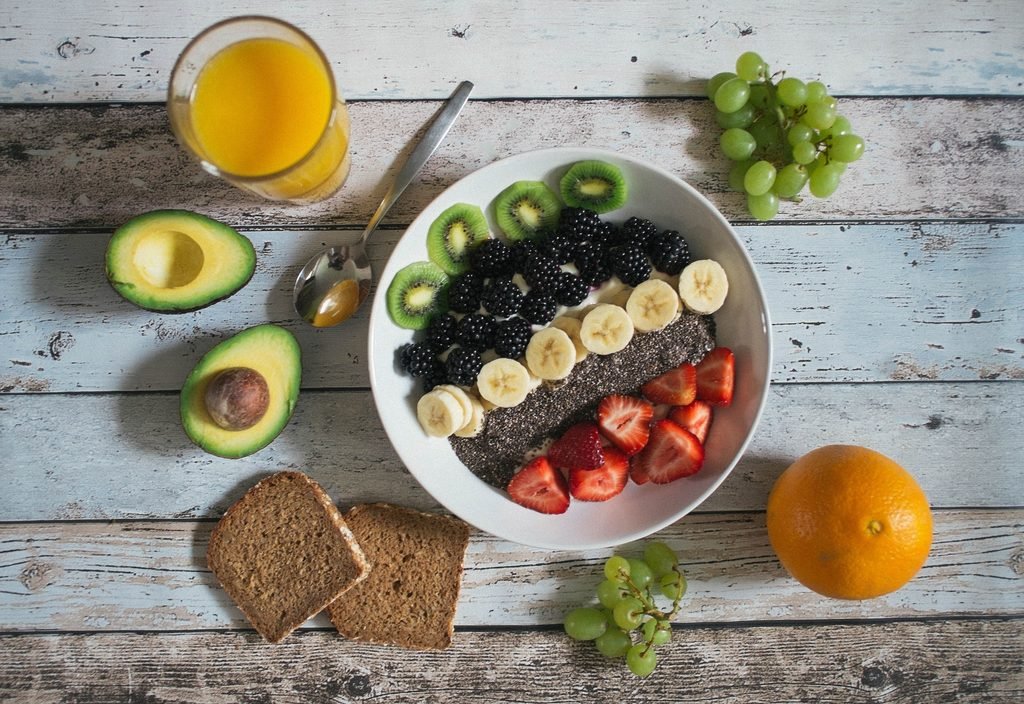
1. Carbohydrates Are Not Your Enemies
Many people start running to lose weight and, on the same day, cut all carbohydrates from their diet. This is the fastest path to frustration. Carbohydrates (bread, rice, potatoes, fruits) are the muscle’s main energy source during exercise.
Cutting them out means your legs will feel “heavy” and you will get out of breath very quickly. You don’t need to overdo it and do a carbo-loading for long races, but ensuring a portion of carbohydrates in your main meals is non-negotiable for anyone who wants to have stamina.
2. The Light Pre-Workout Rule
A classic beginner mistake is thinking you need to eat a lot before running so you “don’t pass out.” In practice, running with a full stomach diverts blood from the muscles to digestion, causing side stitches and nausea.
If you are going to run in 30 to 60 minutes, opt for the basics that work: a ripe banana or a slice of white bread with jam. As we detailed in our 5K nutrition guide, the focus before exercise should always be gastric comfort and quick digestion.
3. Protein for Muscle Recovery
Running demands a lot from the joints and leg muscles. It is normal to feel muscle soreness (delayed onset muscle soreness) in the first few months. To speed up recovery and strengthen the muscles, your body needs good quality protein throughout the day, not just immediately post-workout.
Smart Swaps for Everyday Life:
| Old Habit (Nutrient-Poor) | New Habit (Runner-Focused) | Running Benefit |
| Toasted bread with a lot of butter | Bread with scrambled eggs or lean cheese | Adds protein for muscle recovery |
| Sweet cookies or biscuits in the afternoon | Fruits (banana, apple) or plain yogurt | Clean energy and essential vitamins |
| Drinking water only during the workout | Drinking water evenly throughout the day | Prevents cramps and early fatigue |
4. Hydration Beyond the Water Bottle
Speaking of water, beginner runners usually worry about taking a water bottle for the run, but forget to drink water at work or at home. The hydration that will save your workout and prevent cramps is the one done in the 24 hours prior to the activity. Try to aim for at least 35ml to 40ml of water per kilogram of body weight per day (about 0.5 to 0.6 oz per pound).
5. Real Food Before Supplements
It’s tempting to walk into a supplement store right in your first week of running. However, carbohydrate gels, salt pills, and even advanced aids like caffeine only show their true potential when the base of your diet is already solid.
Do not spend money on supplementation before learning to eat fruits, vegetables, good proteins, and drinking enough water.
Practical Verdict
The best diet for a beginner runner is the one you can stick to. Forget fad diets that cut out entire food groups. Focus on eating “real food,” don’t run on a full stomach, and sleep well. When the basics are done right, your progress in running happens naturally and without suffering.
By Gabriel Bueno Bocchi, Registered Dietitian / Sports Nutritionist (University of Campinas – UNICAMP)
1 thought on “Diet for Beginner Runners: What to Eat for Energy and Not Giving Up”